Moving house in Australia involves countless tasks, and connecting energy and gas ranks among the most essential. Whether you’re relocating across town or moving interstate, ensuring your utilities are connected means you’ll have power, hot water, and heating from the moment you arrive at your new home.
The good news is that connecting energy when moving house is more straightforward than many people realise. With proper planning and the right information, you can avoid interruptions to your power supply and start your new chapter without stress. Even better, moving house presents a valuable opportunity to compare energy providers and potentially save hundreds of dollars on your annual energy bills.
This guide walks you through everything you need to know about connecting energy and gas when moving house in Australia, from understanding how the energy market works to avoiding common pitfalls that could cost you money.
Understanding Australia’s Energy Market
Before arranging your energy connections, it’s helpful to understand how Australia’s energy system operates. This knowledge ensures realistic expectations about your options and helps you make informed decisions.
In most Australian states and territories—including New South Wales, Victoria, South Australia, the ACT, and South East Queensland—the energy market is fully deregulated. This means you’re free to choose your energy provider and can compare offers to find the best deal for your household. Competition between retailers often results in promotional offers, competitive rates, and various plan features designed to attract new customers.
However, regional Queensland, Western Australia, the Northern Territory, and Tasmania operate under regulated markets where the government sets energy prices and your choice of providers may be limited. Understanding which market you’re moving to helps you know what to expect when shopping for energy plans.
Additionally, it’s important to distinguish between your energy retailer and your energy distributor. Your retailer is the company you choose and pay your bills to, offering various plans and pricing structures. Your distributor, on the other hand, owns and maintains the physical infrastructure—the poles, wires, and pipes—in your area. While you can choose your retailer, the distributor is determined by your location and cannot be changed.
When to Arrange Your Energy Connections
Timing plays a crucial role in ensuring smooth energy connections when moving house. Getting the timing right prevents gaps in service and reduces stress during an already busy period.
Most energy providers recommend contacting them at least two business days before your moving date. However, arranging connections one to two weeks in advance provides greater peace of mind and more flexibility with scheduling. This buffer period also gives you time to compare providers thoroughly rather than rushing into the first option you find.
Many providers now offer next business day electricity connections if you book online before 1pm on weekdays, excluding public holidays. This quick turnaround works well for last-minute arrangements, though planning ahead remains the better approach.
Gas connections typically require more time—usually up to three business days. This longer timeframe accounts for necessary safety checks and the technical nature of gas supply. A qualified technician often needs to physically attend the property to ensure the gas supply is safe and properly connected.
If you’re moving into a newly built property or one that’s been vacant for an extended period, allow extra time. These properties may need physical reconnection to the grid, which can take longer than a standard connection or transfer.
For urgent or same-day connections, some providers offer expedited services, though these often come with significantly higher connection fees. While these rush services can be convenient in emergencies, they’re best avoided with proper planning, as the premium costs can be substantial.
Step-by-Step: Connecting Energy at Your New Home
Following a systematic approach to connecting energy when moving house ensures you don’t miss critical steps and helps the process run smoothly.
Check Your Property’s Connection Status
Before arranging a new connection, confirm whether your property is already connected to the electricity and gas networks. If the previous occupants recently moved out, the supply is likely still active and simply needs to be transferred to your name—a quicker and often cheaper process than a full reconnection.
Contact your chosen energy retailer or the property’s real estate agent to verify the connection status. For newly built homes or properties vacant for extended periods, you may need a physical reconnection, which requires scheduling a technician visit.
Gather Your Essential Information
Having the right information ready streamlines the connection process and prevents delays. You’ll typically need your new property’s full address, your preferred connection date and move-in time, the property’s meter number (often found on the meter itself or in property documents), valid identification documents, and your contact details including phone number and email address.
If you’re renting, you may also need a copy of your lease agreement. For homeowners, proof of ownership might be requested for new connections.
Notify Your Current Energy Provider
Don’t forget about your old address. Contact your current energy provider to arrange disconnection or final billing at your previous property. Provide your final move-out date to ensure you’re only billed for the energy you actually used.
Taking a photo of your meter reading on moving day provides evidence of your final usage, protecting you against any billing disputes. Request a final bill and confirm there are no outstanding amounts that could affect your credit rating.
Compare and Choose Your New Energy Provider
This step is where moving house transforms from a chore into an opportunity. Instead of automatically transferring your existing plan or accepting the first offer you find, take time to compare what’s available in your new area.
Different providers offer varying rates, contract terms, billing cycles, and additional benefits. Some include carbon offset programmes, loyalty rewards, bundled services with gas and electricity combined, or special concessions for certain customer groups.
Consider your household’s energy usage patterns. If your new home is larger or smaller than your previous one, or if it has different heating and cooling requirements, your energy needs may have changed. A plan that worked well at your old address might not be the best fit for your new circumstances.
Pay attention to contract terms carefully. Some plans offer attractive introductory rates that increase significantly after an initial period. Others may include exit fees if you switch providers before the contract ends. Understanding these terms upfront prevents surprises down the track.
Arrange Your New Connection
Once you’ve selected a provider, you can usually complete the connection process online through their website or by calling their customer service team. Many providers have dedicated moving house services that streamline the entire process.
Most retailers handle the switching process for you, including notifying your previous provider if you’re changing companies. This means you typically only need to contact one company—your new provider—and they’ll coordinate with others as needed.
When booking your connection, confirm the exact date and any required access to the property. Some connections can be completed remotely through smart meters, while others require physical access to the property and meters.
Ensure Clear Meter Access
Make certain your new property’s electricity and gas meters are easily accessible on your moving day. Obstructed meters can delay connections, potentially leaving you without power on your first night in your new home.
If meters are located in locked areas or hard-to-reach places, arrange access with the property owner or real estate agent in advance. Clear any obstacles blocking meter access, such as overgrown vegetation or stored items.
Common Mistakes When Connecting Energy
Many Australians fall into predictable traps when arranging energy connections for a move. Understanding these common mistakes helps you avoid them and can save considerable money and frustration.
The “Set and Forget” Trap
Perhaps the biggest missed opportunity occurs when people simply transfer their existing plan to their new address without comparing alternatives. The energy market is highly competitive, with providers regularly launching new offers and incentives specifically designed to attract new customers.
Moving house resets your status as a “new customer” in the eyes of energy retailers, making you eligible for promotional offers not available to existing customers. These can include discounted rates for the first 12 months, bill credits, or other valuable benefits.
Additionally, what worked at your previous address may not be optimal for your new home. Different properties have different energy characteristics—size, insulation, orientation, appliance efficiency, and more. Taking time to reassess your needs often reveals better-suited alternatives.
Overlooking Connection and Disconnection Fees
Energy distributors charge connection and disconnection fees that your retailer passes on to you. These fees vary by distributor and the type of connection required, typically ranging from $20 to over $100 depending on your location and circumstances.
While you cannot avoid these charges, being aware of them in advance prevents bill shock when your first account arrives. Some retailers offer plans with waived or reduced connection fees as part of their new customer offers, making comparison shopping even more valuable.
Forgetting About Controlled Load Meters
If your new home has separately metered appliances—such as electric hot water systems, pool pumps, or slab heating—on controlled load circuits, you’ll need a plan that includes suitable controlled load rates. These appliances are metered separately and typically operate on off-peak schedules when electricity is cheaper.
Not all energy plans offer controlled load tariffs, and choosing the wrong plan can significantly increase your costs. When comparing plans, specifically ask about controlled load rates and ensure the plan accommodates all your metered circuits.
Missing Solar Feed-in Tariff Opportunities
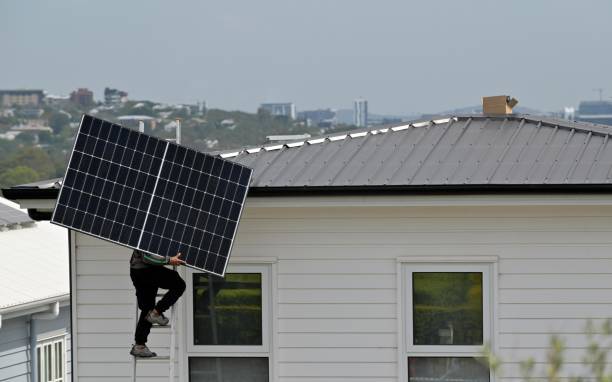
If your new property has solar panels installed, ensuring your energy plan offers competitive feed-in tariffs for excess electricity you export to the grid is crucial. Feed-in tariff rates vary dramatically between retailers—from as little as 3 cents per kilowatt-hour to over 15 cents in some cases.
These differences can translate to hundreds of dollars annually in solar credits. When comparing energy plans for a property with solar, prioritise providers offering higher feed-in tariffs and consider how this impacts your overall energy costs.
Ignoring Available Concessions and Rebates
Australian households are currently receiving energy bill rebates as part of government cost-of-living relief measures. The federal government’s $300 energy bill rebate applies to eligible households, delivered as quarterly credits on electricity bills.
Additionally, various state-specific concessions may be available depending on your circumstances, including concessions for pensioners, healthcare card holders, seniors, low-income households, and families experiencing financial hardship.
When comparing energy plans, factor in any rebates or concessions you’re eligible for, as these can substantially reduce your actual energy costs. Some concessions must be applied for separately, so don’t assume they’ll automatically apply to your new connection.
The Financial Opportunity of Moving House
While sorting out energy connections might seem like just another item on your moving checklist, it actually represents one of the best opportunities to reduce your ongoing household expenses. Energy costs remain a major portion of household budgets across Australia, making plan selection genuinely impactful.
The competitive Australian energy market means providers constantly compete for new customers, often offering attractive sign-up incentives unavailable to existing customers. These promotional offers might include discounted usage rates for the first 12 months, bill credits of $50 to $200 applied to your account, waived connection fees, or bonus rewards points if you’re part of loyalty programmes.
Moving to a new area might also mean access to different retailers or plan types that weren’t available at your previous address. Some smaller or regional energy companies only operate in specific areas, and they often offer very competitive rates to build market share.
Your energy usage patterns may change with your new home as well. Perhaps it’s larger or smaller, has better or worse insulation, faces a different direction affecting heating and cooling needs, or has different appliances and systems. All these factors make moving the perfect time to reassess what type of energy plan truly suits your household.
Consider whether time-of-use tariffs might benefit you in your new home. If you can shift energy-intensive activities like running dishwashers, washing machines, or pool pumps to off-peak periods, time-of-use plans can deliver significant savings. Conversely, if your household uses energy fairly consistently throughout the day, a flat-rate plan might prove simpler and more cost-effective.
Special Considerations for Interstate Moves
Moving interstate adds complexity to energy connections, as each state has its own energy regulations, available retailers, and pricing structures. Energy costs can vary significantly between states due to different infrastructure, generation sources, network charges, and regulatory frameworks.
If you’re moving from a deregulated market like Victoria or New South Wales to a regulated market like Western Australia or Tasmania, you’ll notice considerable differences in how energy is priced and your ability to choose providers. In regulated markets, your options are limited, but the government-set prices often include consumer protections and standardised terms.
Conversely, moving from a regulated to a deregulated market opens up choice but requires more active decision-making. Research the energy landscape in your destination state before moving to understand what to expect and what options you’ll have.
Different states also have varying rebate and concession schemes. What you received in your previous state may not transfer, but new benefits might be available. Check your new state’s government websites for current energy assistance programmes.
Climate differences between states can dramatically affect your energy usage and costs. Moving from Queensland to Tasmania, for example, will likely increase your heating costs substantially, while a move in the opposite direction might increase cooling costs. Factor these changes into your energy plan selection.
How Energy Comparison Services Help
Navigating the Australian energy market while juggling all your other moving responsibilities can feel overwhelming. Researching dozens of providers, understanding complex tariff structures, and comparing plans with different terms and conditions takes considerable time and energy.
Energy comparison services streamline this entire process by presenting relevant options based on your specific circumstances and new address. Instead of visiting multiple provider websites and manually comparing offers, comparison tools aggregate current market plans and help you identify options that suit your needs and budget.
These services account for various factors including your estimated energy usage, your property’s location and network distributor, whether you have solar panels or controlled load circuits, and any concessions or rebates you’re eligible for. The result is a shortlist of genuinely suitable plans rather than an overwhelming list of every available option.
When moving house, every dollar saved and every hour reclaimed matters. Taking advantage of comparison services ensures you’re not leaving money on the table during this crucial transition period, and you’re not settling for a suboptimal plan simply because you didn’t have time to research properly.
Your Moving House Energy Checklist
To ensure a smooth energy transition when moving house, follow this practical timeline:
Three to Four Weeks Before Moving:
- Research energy providers available at your new address
- Compare plans using a comparison service
- Check if your new property has solar panels or controlled load circuits
- Verify your eligibility for any concessions or rebates
Two Weeks Before Moving:
- Contact your chosen energy provider to arrange connection
- Notify your current provider about your move-out date
- Confirm meter access arrangements at your new property
- Save your selected plan details and confirmation numbers
One Week Before Moving:
- Double-check your connection is scheduled for your move-in date
- Confirm you have meter numbers for your new property
- Prepare identification and documentation you might need
- Set reminders to take meter readings at both properties
Moving Day:
- Take photos of final meter readings at your old property
- Check the power has been connected at your new property
- Test all switches and outlets to ensure they’re working
- Keep your energy provider’s contact number handy in case of issues
After Moving:
- Monitor your first bill carefully to check rates and charges
- Register for online account access with your new provider
- Set up direct debit or preferred payment method
- Review your usage after the first billing period to ensure your plan still suits your needs
Getting Started with Compare Your Rates
Connecting energy and gas when moving house doesn’t need to be complicated or time-consuming. With the right approach and proper planning, you can ensure continuous service while potentially saving hundreds of dollars on your annual energy costs.
Compare Your Rates takes the stress out of moving house by helping you find and connect with trusted energy providers offering competitive deals for your new address. Our free comparison service simplifies the entire process, presenting you with relevant options based on your specific circumstances rather than overwhelming you with every available plan.
Instead of spending hours researching individual providers or settling for the first option you come across, let us help you identify energy plans that genuinely work for your lifestyle and budget. Our service considers your location, estimated usage, any special requirements like solar feed-in tariffs or controlled load rates, and available concessions or rebates you might be eligible for.
Moving house represents a fresh start and a genuine opportunity to reassess your energy needs. Whether you’re moving across town or interstate, taking the time to compare your options ensures you’re starting your new chapter with an energy plan that supports your household rather than draining your budget unnecessarily.
Make your move count. Compare energy providers, understand your options, and secure better rates while you’re already sorting out the essentials of your relocation.
Ready to connect your energy and gas at your new home? Visit Compare Your Rates to explore competitive energy plans available at your new address and take the first step toward lower energy bills in your new home.
Disclaimer: Compare Your Rates is a free comparison service connecting Australian households with energy providers. While we strive to present accurate and current information, energy plans, rates, and rebates change regularly. Always verify current offers and eligibility directly with providers before making decisions. Individual circumstances vary, and the most suitable plan depends on your specific usage patterns and requirements.