Imagine running your washing machine, dishwasher, air conditioner, and even charging your electric vehicle without watching the metre tick over. Sounds too good to be true? Well, starting July 2026, millions of Aussie households are about to experience exactly that.
What’s Actually Happening?
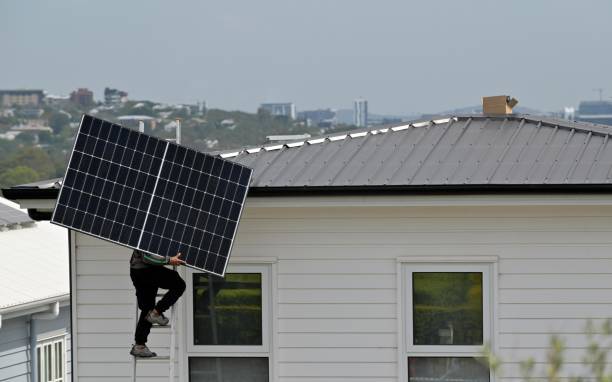
Australia’s Solar Sharer programme will require electricity retailers to offer free power to households for at least three hours in the middle of the day when solar generation hits its peak. And here’s the best bit: you don’t need solar panels on your roof to take advantage of it.
This isn’t some small trial either. Residents in New South Wales, south-east Queensland, and South Australia — representing approximately 14 million people, or roughly half of the country’s population — will be receiving at least three hours of free solar power every day.
Why Is This Even Happening?
Australia’s gone absolutely solar mad (in the best way possible). More than one in three Australian homes have solar panels on their roof, and the country’s become such a powerhouse of renewable energy that we’re generating more electricity than we know what to do with during the day.
During the middle of the day, when most people are at work, there are certain times when more electricity is generated, particularly in places with high solar penetration. In fact, wholesale electricity prices are generally very cheap during this period and increasingly moving into negative pricing territory at times.
Rather than waste all that beautiful sunshine, the Solar Sharer programme is designed to encourage households to shift their energy use to when it’s most abundant.
What Can You Actually Do With Free Power?
The possibilities are genuinely exciting. Between 11:00 and 14:00, you can use all the energy you want at a rate of $0.00/kWh (though supply charges still apply). Think about it:
Run your big appliances without guilt. Pop the washing on at 11am instead of 6pm. Set your dishwasher to start at midday. Blast the aircon to pre-cool your home before the afternoon heat really kicks in.
Charge your EV for free. If you have an electric car, you can charge it at noon instead of whenever else you were going to. That’s potentially thousands saved on what would have been petrol costs.
Fill up a home battery. By storing electricity during the free period, households can draw on that power during the evening, when prices are normally highest. No battery yet? This might be the push you need.
Smart scheduling is your friend. Modern appliances can be programmed to start during specific hours. Set it and forget it — your future self (and wallet) will thank you.
The Reality Check
While this sounds brilliant (and it is), there are a few things to keep in mind.
Households will need a smart metre installed to participate, though most retailers provide these for free these days. You’ll also need to actively opt in to one of these Solar Sharer plans when they become available.
The government hasn’t officially announced which hours will qualify, but the hours between 11am and 2pm are the most likely candidates. This timing makes sense for solar generation, but it does mean you’ll need to plan around midday usage.
For renters and apartment dwellers who’ve traditionally missed out on solar benefits, this is genuinely game-changing news. No more feeling left out whilst your neighbours with rooftop panels reap all the rewards.
What’s the Catch?
Honestly? There isn’t really one. The reform is expected to reduce electricity bills by $800 per year for those who plan wisely. The “planning wisely” bit is key though — you’ll get the most benefit if you can actually shift your energy usage to these free hours.
If you’re typically out of the house from 9am to 5pm on weekdays, you might not capture as much value unless you’ve got smart appliances or a battery to store that free power for later.
The Bigger Picture
Australia has been installing lots of solar power, and solar and wind have rapidly taken over the country’s electricity grid, pushing coal and gas out. This shift isn’t just good for the environment — it’s creating real, tangible benefits for households.
Shifting loads will also reduce the need for grid-scale batteries, which helps keep infrastructure costs down for everyone. Plus, by encouraging consumers to use more power during the day or store it for later, the government hopes to ease strain on the grid, reduce evening peaks, and keep prices stable for everyone.
When Does This Start?
The programme will offer three hours of free solar-generated energy daily from 1 July 2026 in NSW, south-east Queensland, and South Australia first. A potential national rollout will follow from 2027.
Making the Most of Your Free Power
The key to maximising this opportunity? Start thinking about your energy usage now. What can you shift to midday? Could smart plugs or programmable appliances make your life easier? Is a home battery worth investigating?
This is one of those rare moments where doing what’s good for the grid, the environment, and your hip pocket all align perfectly.
Ready to See What Else You Could Save on Energy?
Whilst we’re all excited about the upcoming free power hours, here’s something you can do right now: make sure you’re on the best energy plan for your household.
That’s where Compare Your Rates comes in. Our free 30-second energy and gas comparison tool surveys the entire market and compares plans to what you’re currently paying. We help you switch providers in under five minutes — no phone calls, no hassle, just savings.
Many Aussie households are overpaying by hundreds of dollars a year simply because they’ve never compared their rates. Combined with the upcoming free power hours, getting on the right plan could mean massive savings on your energy bills.
Compare your energy and gas rates now →
It’s completely free, takes less time than making a cuppa, and you could be saving hundreds within minutes. Why wait until July 2026 to start cutting your energy costs?