Look, we all know Australian tap water is meant to be pretty good quality. The blokes at Sydney Water and every other water authority around the country work hard to keep things safe. But here’s the thing – “safe” and “optimal” aren’t always the same, are they?
If you’ve noticed your shower screen looking like it’s been coated in white dust, or your morning cuppa tastes a bit… off, you’re not imagining things. And you’re definitely not alone.
What’s Actually in Your Tap Water?
Australian tap water goes through rigorous treatment to meet the Australian Drinking Water Guidelines. That’s brilliant. But the reality is that even treated water can still contain things you might not fancy drinking, washing with, or running through your expensive appliances.
Chlorine is added to neutralise bacteria and keep water sterile as it travels through the pipes to your home, and while it does its job killing nasties, it can make your water taste like a swimming pool. Typical doses are around 2-3 mg/L, which might not sound like much, but it’s enough to dry out your skin and hair over time.
Then there are the uninvited guests. Disinfection creates byproducts called trihalomethanes, and several compounds within this class have been classified as carcinogens and endocrine disruptors. Not exactly what you want in your morning glass of water, yeah?
And if your home was built before the 1980s? Older homes often have lead components in their plumbing, either with entire lead pipes or lead soldering between various pipes and fixtures. Lead contamination is particularly serious for kids and pregnant women, so it’s worth knowing what’s coming out of your taps.
The Whole-Home Difference
Here’s where things get interesting. Most people think about water filters for drinking water only – maybe an under sink unit or a bench top jug. But think about it: you’re not just drinking your water. You’re showering in it, washing your dishes with it, doing your laundry, and running it through your dishwasher, washing machine, hot water system, and every other appliance in your home.
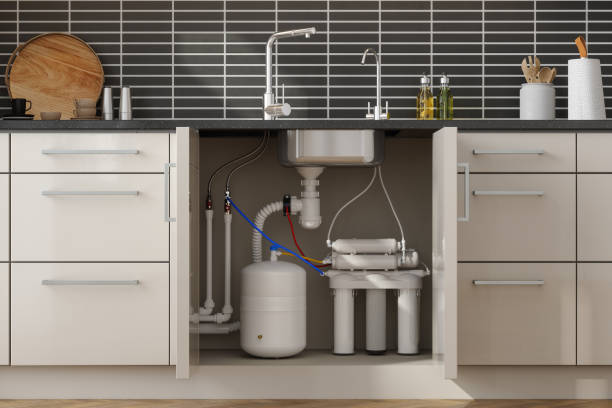
A whole home water filtration system tackles the problem at the point of entry – right where the mains water comes into your house. That means every single tap, shower, and appliance gets filtered water. Pretty clever, right?
What Does It Actually Remove?
Modern whole home systems are proper workhorses. Quality systems can remove up to 99% of chlorine byproducts and filter a range of heavy metals and contaminants. We’re talking about:
- Chlorine and chloramines (bye bye, pool smell)
- Heavy metals like lead, copper, and arsenic
- Sediment, rust, and dirt particles
- Scale causing minerals that wreck your appliances
- Various organic compounds and pesticides
The result? Water that tastes better, feels softer on your skin, and won’t slowly destroy your plumbing and appliances from the inside out.
The Hidden Benefits You Mightn’t Expect
Sure, better-tasting water is great. But the benefits go way beyond that:
Your Appliances Will Thank You: Hard water and sediment build-up are absolute killers for hot water systems, dishwashers, and washing machines. Unfiltered water can contain sediment and other solids which can build up and cause damage to your water heater and dishwasher, reducing their lifespan. A whole home filter can add years to their life.
Your Skin and Hair Will Look Better: Water that’s hard and full of calcium can lead to skin dryness, psoriasis, and even eczema, while hair can become dry and brittle. Filtered water is noticeably gentler.
Your Clothes and Dishes Will Sparkle: You’ll notice a brighter appearance in your clothes and no unattractive cloudy spots in your glassware. That’s what happens when mineral deposits stop coating everything.
You’ll Save Money: Think about all those bottled water purchases, not to mention the cost of replacing appliances prematurely or calling a plumber to fix scale-damaged pipes. A filtration system pays for itself.
What About Rebates?
Here’s something many Aussies don’t realise: depending on where you live, you might be eligible for rebates or grants to help with water efficiency and quality improvements. Water utilities and state governments offer rebates or grants for efficiency and water quality improvements.
The tricky bit? Every state, territory, and even local council seems to have different programmes running at different times. Some offer rebates for rainwater tanks, others for water-efficient appliances, and some for comprehensive filtration systems. It’s a bit of a maze, honestly.
The Investment Question
Look, whole-home water filtration isn’t pocket change. Expect to spend between $2,500 and $5,000 for a professionally installed system, depending on the type of system and your home’s setup.
But before you have a minor heart attack over the price tag, consider this: you’re protecting thousands of dollars worth of appliances, potentially accessing government rebates, eliminating bottled water costs, and giving your family cleaner water from every tap in the house for years to come.
Plus, filter replacements typically cost between $50 and $500 per year, depending on the system. Most systems are designed to be low-maintenance and long-lasting.
Is It Right for Your Home?
Every home’s water situation is different. If you’re in an area with particularly hard water, or if you live in an older home with aging pipes, a whole home system makes even more sense. Even if your water seems fine, there could be invisible nasties you’d rather not have hanging around.
The best approach? Get your water tested so you know exactly what you’re dealing with. Then you can choose a system that targets your specific issues rather than guessing.
Ready to Make the Change?
Whether you’re concerned about what’s in your water, sick of scale buildup on your fixtures, or just want the best for your family’s health, upgrading to whole-home water filtration could be one of the smartest home improvements you make.
Want to know what rebates you qualify for and which system is right for your home? Compare Your Rates takes the hassle out of the process. We’ll help you identify any rebates or grants available in your area, connect you with trusted installers who meet Australian standards, and deliver a tailored consultation so you get the right system for your home – not someone else’s.
Simply pop in your postcode or upload your latest water bill, and we’ll show you what’s available. It’s quick, free, and there’s zero obligation. Just honest advice and real solutions.
Check Your Rebate Eligibility Now because your family deserves clean water from every tap, not just one.