Australian households are discovering significant savings by switching from gas to electric heating. Recent research indicates that households could save between $300 to over $2,000 annually, depending on their location, current system, and whether they have solar panels installed.
The Changing Economics of Home Heating
The Australian energy landscape has shifted dramatically in recent years. While gas heating was once considered the most economical option, rising gas prices and improvements in electric heating technology have changed the equation.
Australia exports approximately 72% of its natural gas, which means domestic consumers compete with global export prices. This has driven gas prices up incrementally year after year. Meanwhile, electricity has become more competitive, especially for households with solar panels or access to off-peak tariffs.
For Victorian households, government analysis suggests annual savings of up to $1,000 by switching to electric heating, or up to $2,200 for homes with solar panels installed. Research shows that the average family of four in Victoria uses approximately 21,732 megajoules more gas during winter months, resulting in gas bills of roughly $1,000 just for heating. While savings vary across states, the trend towards electric heating affordability is evident Australia-wide.
Why Reverse-Cycle Systems Save Money
Many Australians don’t realise that reverse-cycle air conditioners are actually heat pumps that move heat rather than generate it. In heating mode, they extract warmth from outside air and transfer it indoors, working efficiently even in cold temperatures.
This technology makes reverse-cycle systems three to five times more energy-efficient than gas heaters. For every unit of electricity used, they can deliver three to five units of heating. Gas heaters, by comparison, convert fuel to heat at roughly one-to-one efficiency.
Four Common Switching Scenarios
You Already Have Reverse-Cycle Air Conditioning: More than a quarter of Victorian households own both ducted gas heating and reverse-cycle air conditioners. These homeowners could start saving immediately by using their air conditioning for heating. The only cost is decommissioning the gas system (around $800), which pays for itself within five to ten months.
Replacing Ducted Gas with Split Systems: Installing three to four reverse-cycle split systems delivers annual savings of $969 to $1,927, including summer cooling benefits. The payback period is typically three to five months.
Upgrading from Gas Space Heaters: Approximately 7% of Australian homes use individual gas space heaters. Switching to reverse-cycle air conditioners can cut energy bills by 27% to 56% while adding cooling capability and improving safety.
Installing Electric Ducted Systems: For whole-home comfort, modern electric ducted reverse-cycle systems like the Australian-made Braemar Dominator Series directly replace gas ducted heating while adding cooling functionality.
Government Support Across Australia
Governments across Australia offer various incentives to help with the transition from gas to electric heating.
Victoria provides comprehensive support through the Victorian Energy Upgrades (VEU) programme, offering significant discounts on reverse-cycle air conditioning when replacing gas heating.
Australian Capital Territory offers up to $2,500 off when upgrading from ducted gas heating, plus a $500 electricity bill credit through ActewAGL. Low-interest loans up to $10,000 are also available through the Sustainable Household Scheme.
New South Wales provides discounts through the Energy Savings Scheme (ESS) when replacing gas or electric resistance heating with efficient reverse-cycle systems.
South Australia residents can access incentives through the Retailer Energy Productivity Scheme (REPS) for high-efficiency heating and cooling installations.
Tasmania offers interest-free loans up to $10,000 through the Energy Saver Loan Scheme for heating and cooling upgrades.
These programmes change periodically, so checking current availability in your state is worthwhile. Many incentives are delivered as upfront discounts applied by accredited installers.
Beyond Financial Savings
Switching to electric heating offers advantages beyond the numbers:
Year-Round Comfort: Reverse-cycle systems heat in winter and cool in summer, eliminating the need for separate appliances.
Improved Air Quality: Electric heating eliminates combustion emissions inside your home, improving indoor air quality.
Precise Control: Modern systems offer degree-by-degree temperature control with programmable thermostats and zoning options to heat only the rooms you’re using.
Future-Proofing: Several Australian states are phasing out gas connections in new homes. Victoria banned gas installations in new homes requiring planning permits from January 2024.
Solar Compatibility: Electric heating pairs perfectly with rooftop solar systems, especially when combined with battery storage or time-of-use electricity tariffs.
The Solar Panel Advantage
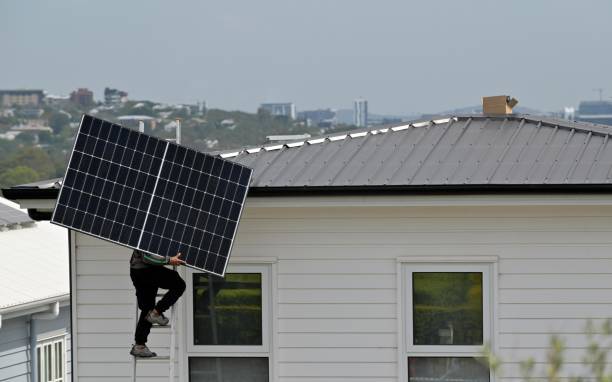
The economics of electric heating improve dramatically when combined with rooftop solar. Victorian government analysis shows that savings can more than double for households with solar panels—from $1,000 to $2,200 annually.
Battery storage allows you to store excess solar electricity for evening heating. Even without batteries, households with solar panels pay less for grid electricity because their total energy consumption from the grid is reduced. Modern programmable systems can be scheduled to maximise solar generation patterns.
Total Cost of Ownership
When evaluating the switch from gas to electric, look beyond the purchase price to total cost of ownership. A typical reverse-cycle system lasts 15 to 20 years with proper maintenance.
A household saving $1,000 annually would save $15,000 to $20,000 over the system’s life, far exceeding the initial investment. Additionally, many households choosing to disconnect from gas entirely eliminate the daily supply charge, which in some areas is $200 to $400 annually.
Taking Action
If the numbers make sense for your situation, Compare Your Rates can connect you with verified installers across Australia who specialise in electric heating installations. These professionals can provide accurate quotes based on your home’s specific needs and your eligibility for government incentives.
When meeting with installers, ask about system sizing, available government incentives, energy efficiency ratings, warranty coverage, and whether electrical upgrades are needed. Most accredited installers handle rebate applications directly, deducting eligible incentives from your quoted price.
The Bottom Line
The transition from gas to electric heating represents one of the most effective ways Australian households can reduce ongoing energy costs while improving home comfort. The combination of lower running costs, government incentives, and added cooling functionality makes electric heating an increasingly attractive choice.
Whether you’re facing a heating system replacement or looking to cut your energy bills, exploring electric heating options is worthwhile. The switch positions your home for a future where electricity—increasingly generated from renewable sources—powers efficient, comfortable, and cost-effective home heating and cooling.
Ready to explore your options? Compare Your Rates connects Australian homeowners with experienced installers who can provide personalised assessments, explain available rebates, and deliver quality installations.
Disclaimer: Compare Your Rates is a free comparison service that connects you with verified service providers. Savings estimates are based on published research and government data, but individual results will vary based on household size, climate zone, usage patterns, and current energy prices. Always seek quotes from multiple qualified installers and verify your eligibility for any government incentives.